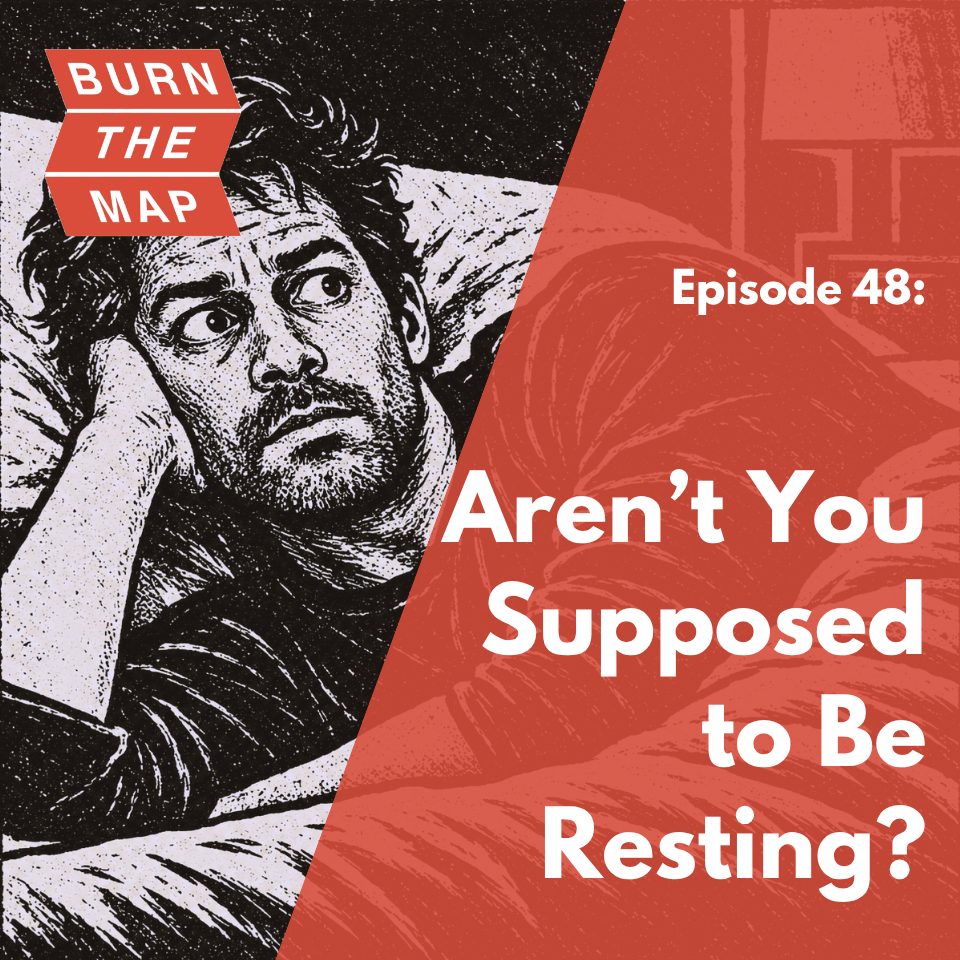
You left your corporate job and now you’re standing in the kitchen. It’s 11am on a Tuesday, and for the last several years, this is the moment you’d be walking into your weekly stand-up meeting. Maybe you even opened your laptop automatically, thinking you would log on. But there’s nowhere to be and no one is asking you for anything.
You didn’t just leave a job, you lost the main thing that organized your time. Let’s talk about it.
The Structure You Didn’t Notice You Had
You probably spent months dreaming of the day you could escape the mind-numbing routine of work. You rose at the same time each day, got ready for work, logged on to email, or got in your car to drive to an office. You saw the same people every day, went to weekly meetings. Even if the work itself changed, you metabolized the time-based reality of work.
And even if you grew to loathe it, you had somewhere to go every day. You knew what time it was based on when your colleague went for her second cup of coffee. People relied on you to do things and show up by a certain time, even if what you were showing up for was boring or unnecessary. Even if the meeting could have been an email.
This world of structure communicated that you were needed. This was true if you were on a performance improvement plan, or if your manager told you that you should be prepared for an upcoming layoff. You kept playing the game, you kept showing up.
The scaffolding was a little rickety, but it came with the job – you didn’t have to build it yourself.
Why Losing It Disorients You
If you’ve ever parented little kids, you know that a regular routine is essential. You did not mess with nap time, you avoided events that would throw off the schedule because if things didn’t happen at a certain time, there would be hell to pay.
We aren’t much different as adults. You still depend on a routine, even if you crave novelty and love a fast-moving, slightly chaotic work environment. Getting ready at the same time, choosing from your designated work pants and shirts. You put on your corporate uniform in a specific and predictable way that felt like a cloak of protection, that prepared you to handle whatever nonsense you’d have to deal with at the office.
You might not have been conscious of all the ways the company created safety for you, and now you have to manufacture that safety for yourself.
The Open Calendar Is Its Own Problem
Many people earmark the months after they leave for specific activities. They are going to sleep in, apply for unemployment, start networking, clean out the garage. But each of those activities can happen whenever you want – there’s no priority order, few deadlines. You might have a to-do list as long as your arm — so long that it makes you shut down and doomscroll instead.
This is where a new routine matters.
If you’ve been listening to the show for a while, you’ve probably heard me talk about the offgassing phase after leaving a job. This happens in the three or so post-employment months. You feel a little foggy all the time and you might get sick. Your brain and heart are grappling with the loss of all the things your job gave you: structure, relationships, meaning, feeling needed.
The feeling of loss and grief is normal. And if you’ve felt grief before, you know that to-do lists don’t stand a chance.
One Small Anchor, Not a System
It helps to create the lightest possible structure for this time so you don’t feel like you’re floating into space. While turning into a sloth was tempting, it took me months to realize that conducting the better part of my day in sweat pants just prolonged the offgassing phase and made me feel bad about myself. Get dressed.
A low-stakes, regular meetup can also help. I kick off each week by getting on a call with a couple of people. We check in with each other, name a few things we want to work on, and call it good. It helps Monday feel like the start of something rather than the next in a series of any-days.
You don’t have to replace the whole structure of your corporate life – that would be exhausting. But it helps to have one small anchor; something you do consistently every day.
Proving You’re Not Wasting Time
One thing you got good at in your job was proving the efficient use of your time. Through weekly updates and self-reviews, you told bosses and colleagues that yes, in fact, you were incredibly productive and had the receipts.
Once you’re outside of the corporate world, no one is asking you anything. You still might yearn to be accountable to someone, to show that you aren’t a waste of space. It’s common to then assign the old boss role to partners or friends, bracing yourself for the “what did you do all day” question that never actually comes.
Someone I know got laid off, then defensively reported to his wife at the end of each day with all the tasks at home he completed until she finally asked him, “aren’t you supposed to be resting?”
Your body is also slow to get the memo, still jolting you with adrenaline every Tuesday at 11:05, convincing you that you’re late for a standup that no longer includes you. You can bring in some reinforcement here by having a conversation with friends and family about what this time is for.
Replacing the Void
Now that you’re post-job, the expanse of time that stretches before you has a different flavor than an afternoon with no meetings. You don’t have to float through it – a couple of light tethers will do it.
If you had an anchor that shaped your corporate week, did you replace it or is it still a gaping void?
Burn the map. Build what fits.
Related episodes
Post-Corporate Detox: the Fog is Real
New here?
The free guide — 4 Moves to Get Unstuck — is a good place to start. You’ll get the newsletter too.